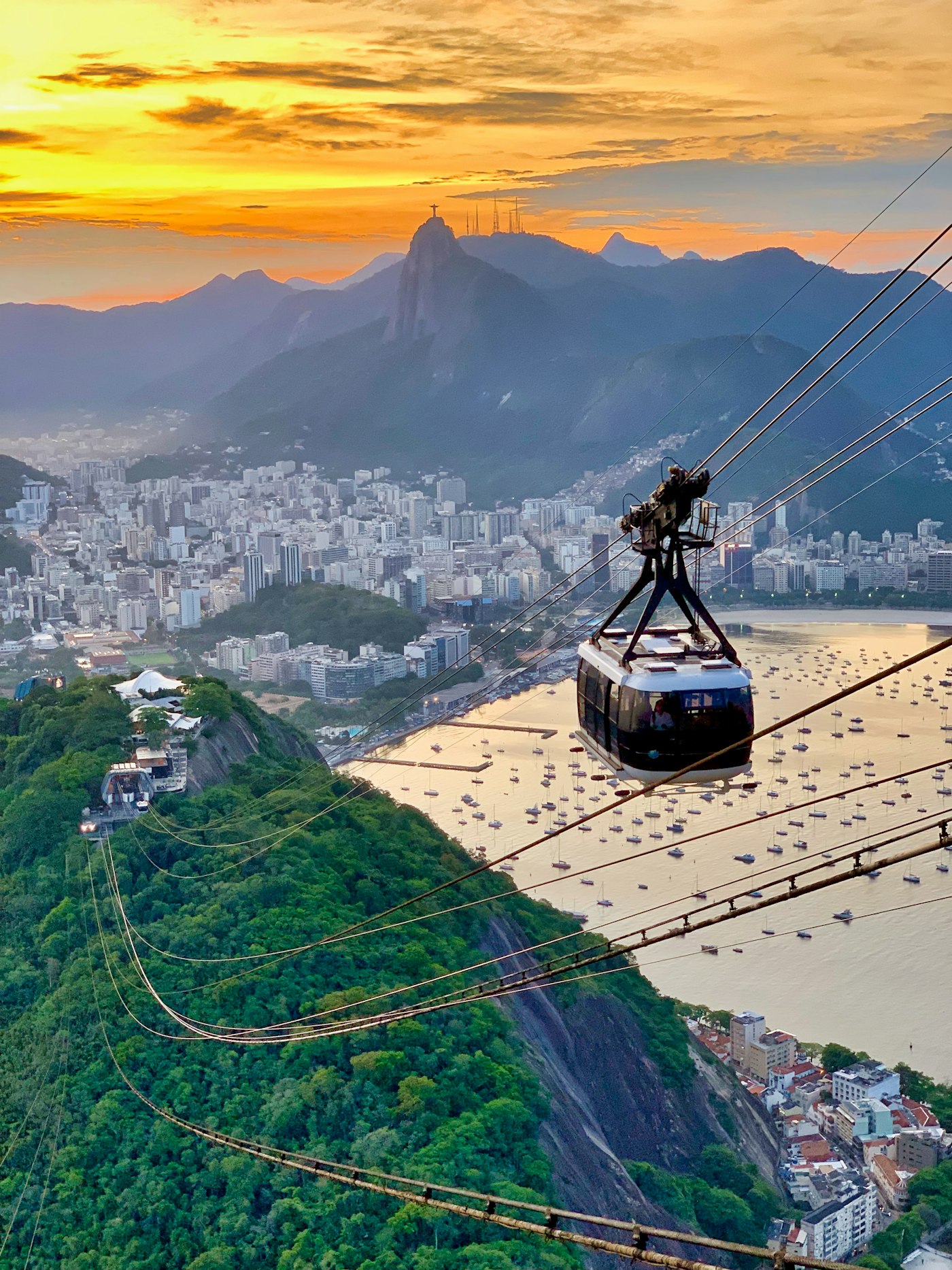
Rio's landscape is part of what makes the city extraordinary, but it also changes how visitors need to think about safety. Beaches, viewpoints, steep streets, forest edges, and long exposed walks create a different rhythm than a purely urban trip.
Rio's landscape is part of what makes the city extraordinary, but it also changes how visitors need to think about safety. Beaches, viewpoints, steep streets, forest edges, and long exposed walks create a different rhythm than a purely urban trip.
The most common problem is underestimating how quickly terrain, weather, and fatigue combine. A route that looks short on a map can involve heat, hills, stairs, little shade, and weak backup options if something goes wrong.
Travelers often plan these outings as if the only risk were getting lost. In practice, the bigger issue is decision quality degrading as the day goes on. When you are hot, tired, and trying to improvise transport from an exposed area, even simple choices become worse.