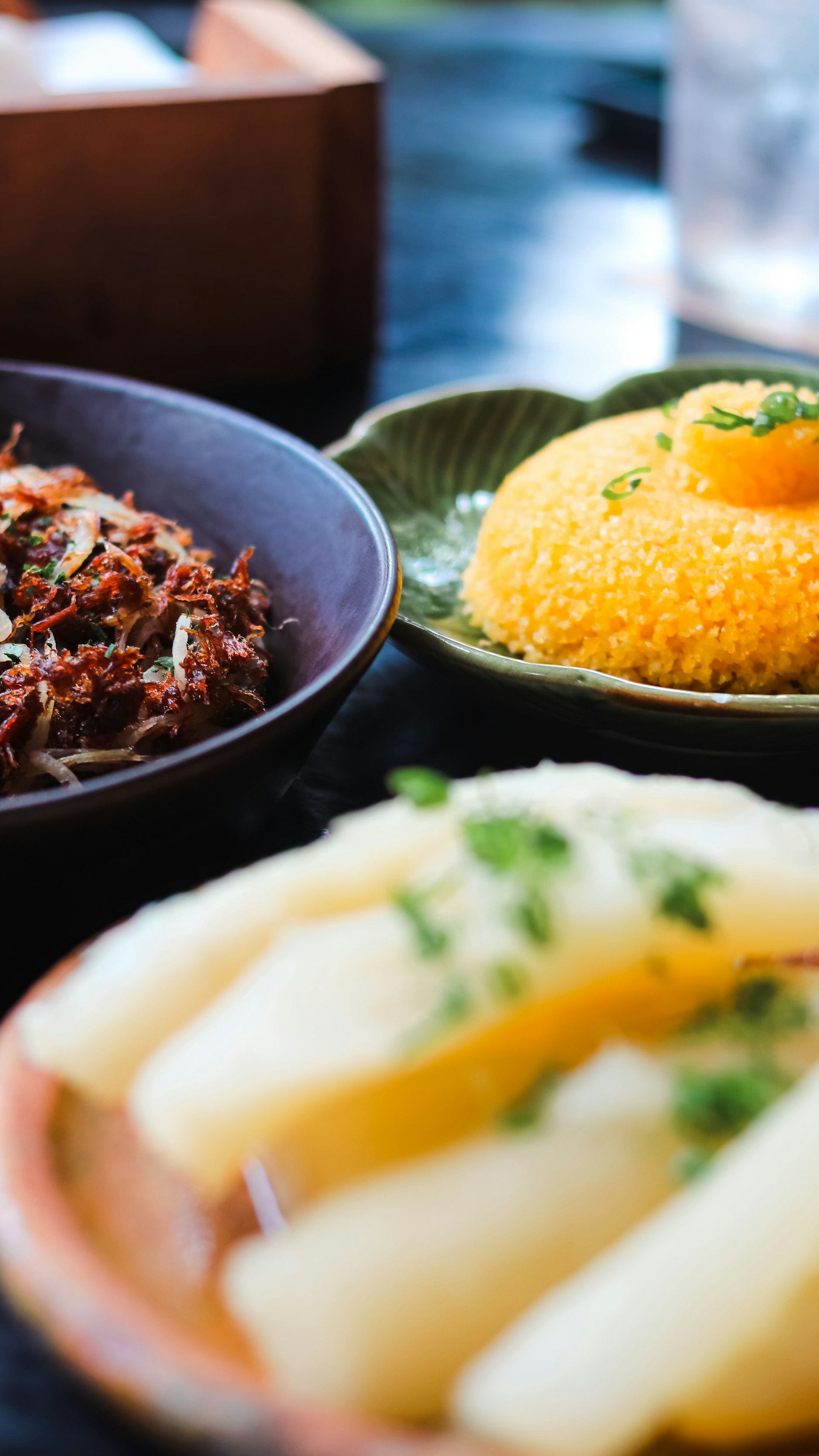
Most travelers eat well by choosing busy vendors, sealed drinks, and meals that look freshly cooked and well handled.
Food safety for travelers is mostly about turnover, handling, and heat. Busy stalls, visible preparation, and food that arrives hot are usually better indicators than whether a place looks casual or upscale.
The same logic applies to drinks and water. Sealed bottles, filtered water from trusted accommodation, and drinks served cold and cleanly reduce the chances of losing a full day to stomach issues.
Outdoor eating can be excellent, but heat changes the equation. Foods with sauces, dairy, seafood, or long exposure to sun require more caution, especially if you have already been dehydrated or drinking.
Beach days can stack risk quietly: sun, salt, alcohol, late meals, and inconsistent water intake. A stomach that is fine at lunch may be much less tolerant at sunset after hours outdoors.
If your stomach starts feeling off, the right response is usually to simplify the next meals rather than pretend nothing is happening. Rest, hydration, and bland food early can prevent a minor issue from turning into a trip-disrupting one.
The real problem is often dehydration more than the food itself. Monitor how much fluid you have actually had, not how much you think you drank over the day.