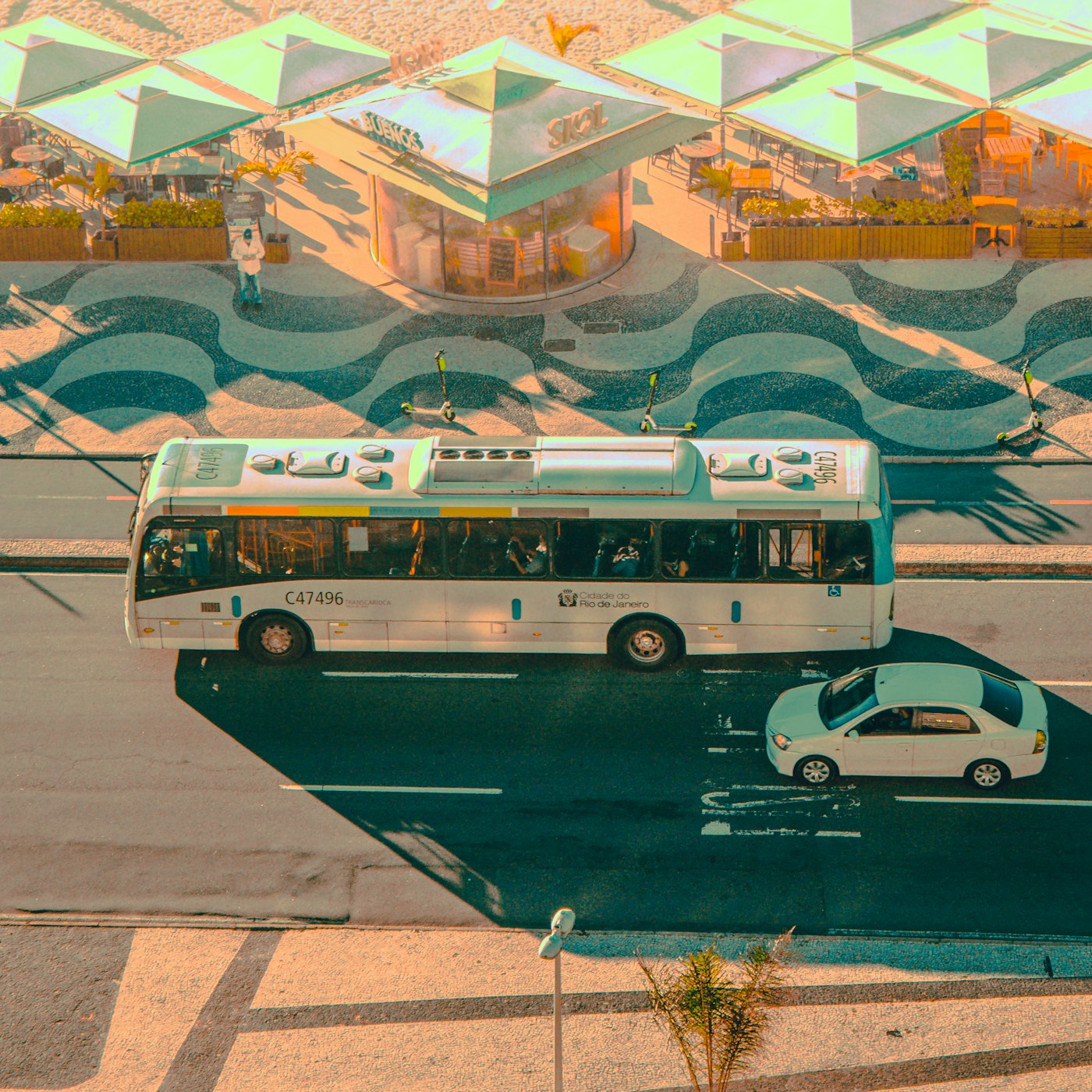
Most visitors move safely by combining metro, rideshare, and short daytime walks with a plan for late-night returns.
Transportation tends to be smooth when visitors combine modes instead of relying on one option for every moment. Metro and app-based rides usually cover the highest-confidence part of the trip, while short walks fill the gaps in active, visible areas.
Risk grows when a plan ends with a long exposed wait: outside a venue after midnight, on an unfamiliar platform, or at a bus stop with little movement around it. Build your return before you go out so you do not have to invent a route while tired.
Rideshare works best when you confirm small details before getting in: plate, driver name, destination, and the first turn or two. That quick pause prevents most mix-ups and keeps you from being rushed into the wrong car.
For late returns, send the trip to a trusted contact and stay alert at pickup points. The most vulnerable moment is usually the first minute, when you are watching for the car, managing a phone, and possibly standing outside alone.
Airport arrivals, intercity bus terminals, and departures to nightlife are where disorganization costs the most. These are the moments when luggage, fatigue, and split attention create easy mistakes.
The smoother the first and last mile, the better the rest of the day tends to go. Save the hotel address offline, know your pickup point before leaving the building, and avoid opening luggage or reorganizing money in public view.