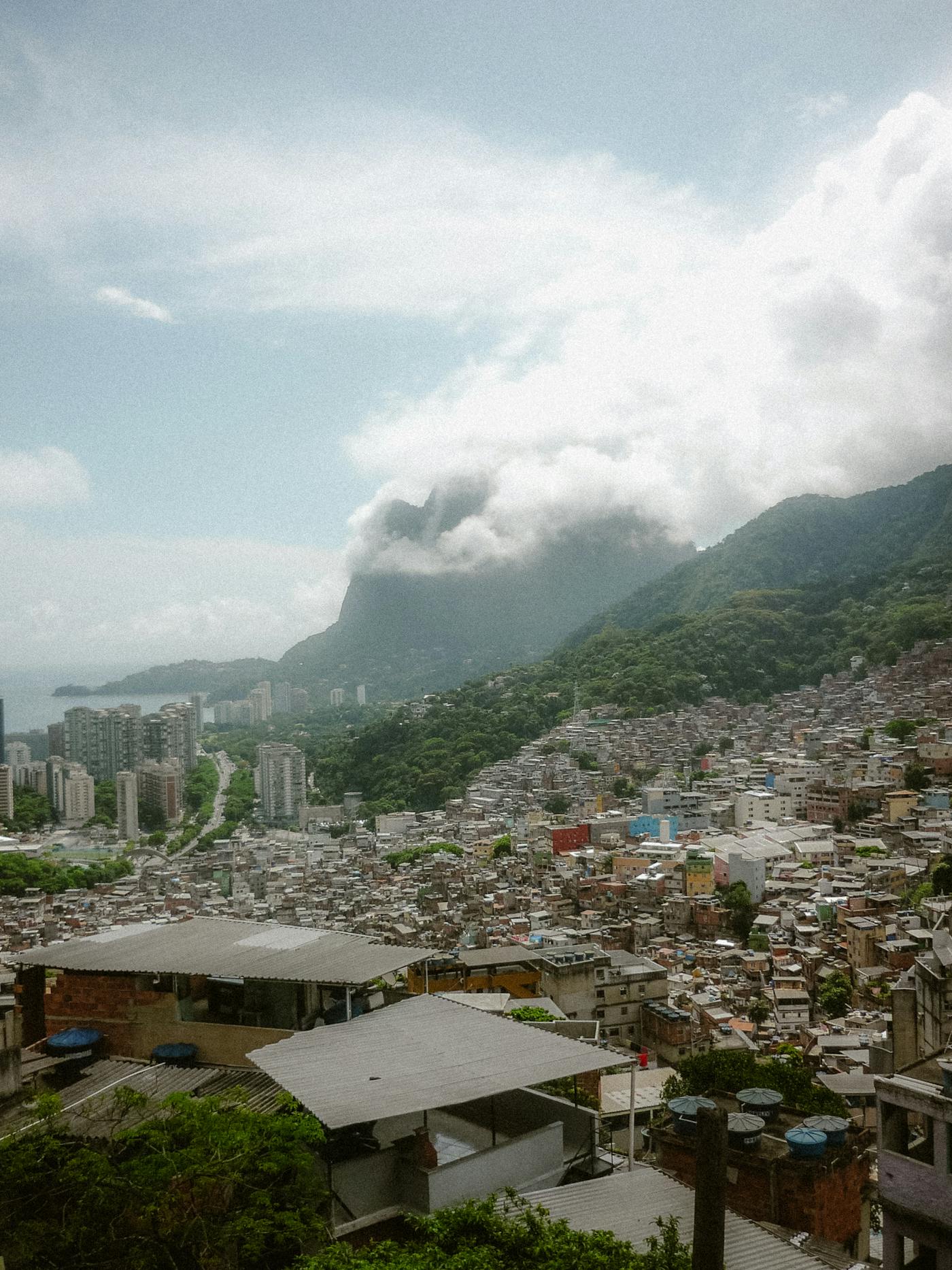
A long-form first-person testimonial about how local context completely changed the meaning, tone, and safety of a favela visit.
When I first considered visiting a favela in Rio, I was carrying the kind of curiosity that tourists often mistake for openness. I thought I was being thoughtful because I wanted context, not just a photo. But the truth is that I was still imagining the day from the outside. In my head, it was a meaningful stop with a dramatic view, a few conversations, and a better understanding of the city by the time I left.
What I did not understand was how easy it is to turn another person's neighborhood into your own learning experience without realizing what you are doing. I remember talking casually about the idea over coffee, and someone local interrupted me very gently. He said, 'If you go there to look, you will leave with the wrong story.' That sentence embarrassed me in the best possible way because it exposed how shallow my framing still was.
The experience only started to make sense when the visit had structure and a person behind it whom I trusted. We were not improvising, not following curiosity around corners, and not treating the place as an urban safari. There was a rhythm to the visit. We knew where we were going, when it made sense to stop, and what kind of questions were actually respectful enough to ask.
That structure changed how safe I felt, but more importantly it changed how calm I felt. I was no longer trying to decode everything on the fly or wondering whether I was crossing invisible lines I did not understand. The clarity was the strongest safety feature of the whole day. It removed the worst kind of risk, which was not only physical uncertainty but social ignorance.
What stayed with me afterward was not a dramatic image or a sense of having done something intense. It was the realization that the visit became meaningful only when I stopped centering my own reaction to it. Once the neighborhood stopped being a backdrop for my feelings, I could actually listen. I paid more attention to what daily life looked like, how people spoke about work, kids, movement, and routine, and how different that was from the outsider narratives I had absorbed.
That also changed the way I think about safety. Before, I imagined safety mostly as a question of whether a route or area was risky. Afterward, I understood that safety also depends on whether you actually know what kind of presence you are bringing into a place. Acting like you belong somewhere you do not understand is not confidence. It is confusion with better posture.
If someone asks me now whether visiting a favela is a good idea, I no longer answer yes or no right away. I ask what they think they are going for. If the answer is vague, thrill-based, or built around seeing 'the real city,' I usually think they are still starting from the wrong place. Not because curiosity is bad, but because curiosity without humility tends to make people careless and extractive at the same time.
The best version of that experience is guided by context, timing, and someone who understands both the local ground truth and the visitor's blind spots. Without those things, the danger is not only that you misread the situation. It is that you leave feeling informed when in reality you only confirmed a story you were already prepared to tell.