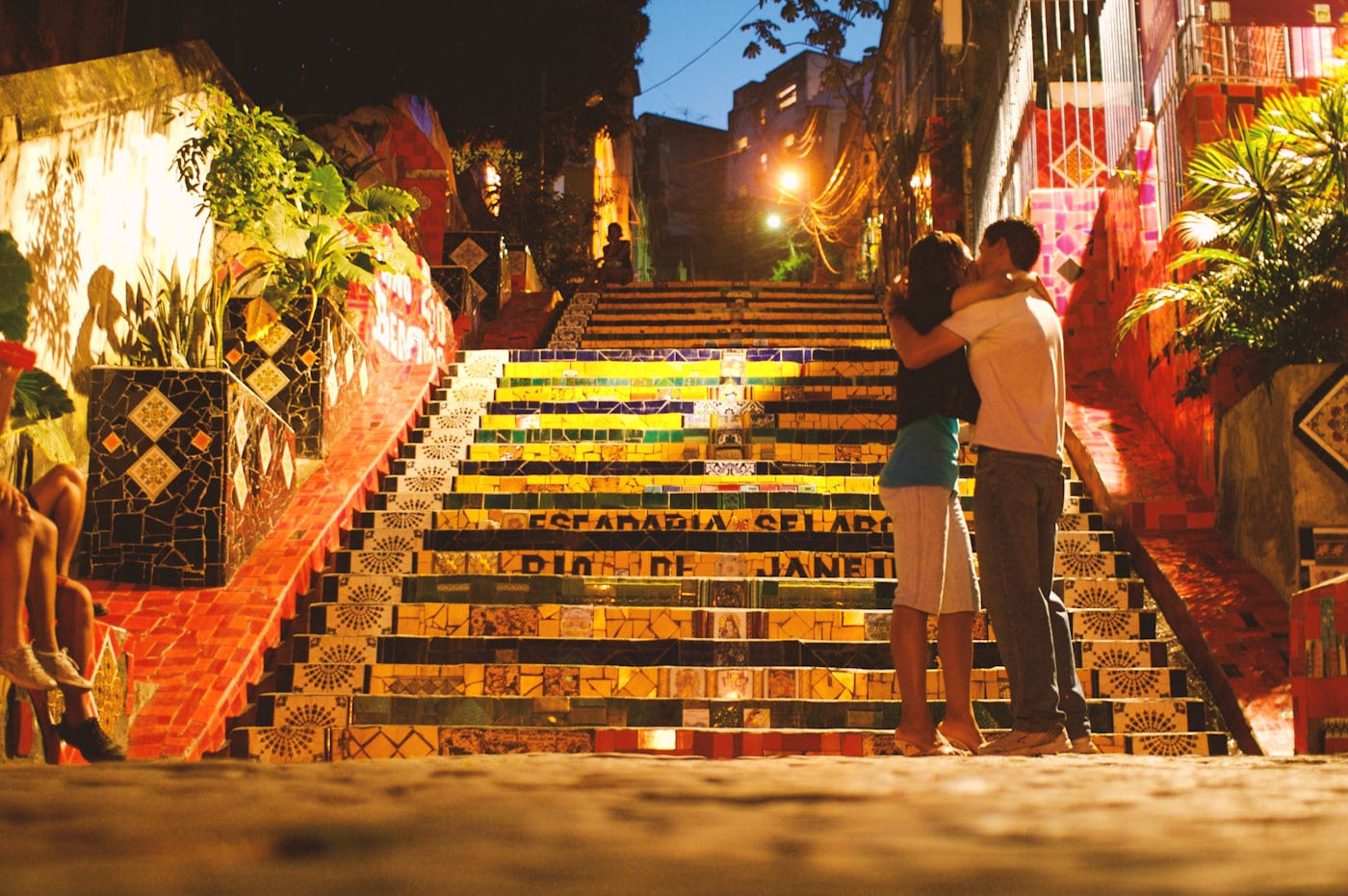
The city is highly social after dark, but crowded party areas make it easier to lose friends, phones, and situational awareness.
Nightlife risk is usually less about one specific venue and more about the way crowds behave before, during, and after the event. Entry lines, congested sidewalks, bar exits, and the walk from the last venue to transport are where situational awareness drops the fastest.
The more social the night gets, the more valuable simple routines become. Meeting points, drink rules, and a hard stop for the last ride matter because they remove decisions from the most distracted part of the night.
Before the first drink, decide where the group regathers if someone gets separated and how you are leaving. That one conversation solves many of the most common late-night problems.
Keep valuables minimal and avoid carrying your full day kit into a social district. The lighter and simpler your setup is, the less you have to track when music, crowds, and movement start competing for attention.
The end of the night is where visitors often undo otherwise good decisions. People are tired, everyone wants a car at once, and attention shifts from safety to getting home quickly.
If the pickup point is chaotic, go back inside, wait near staff, or walk to a brighter, more organized corner before requesting the ride. A slower departure from a better location is often much safer than an immediate departure from a confused one.